Premium Link-Building Services
Explore premium link-building options to boost your online visibility.
Explore premium link-building options to boost your online visibility.


The nightmare of every wildlife photographer is the same: You are standing in the field, witnessing the moment of a lifetime—a Golden Eagle striking a fish or a Red-footed Falcon passing a lizard in mid-air—and you realize you have the wrong lens attached. Or worse, you realize the tool you need is sitting on your shelf at home, 2,000 miles away.
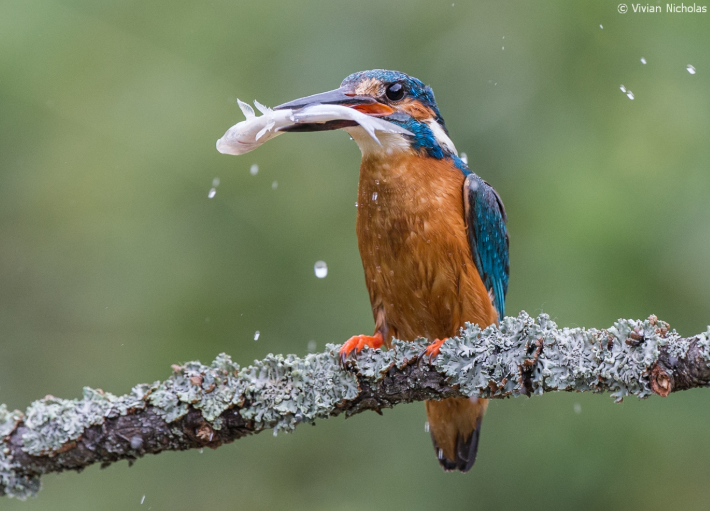
Packing for a wildlife trip is usually an exercise in "just in case." We pack the 600mm for reach, the 1.4x teleconverter for extra reach, the tripod for stability, and the camouflage netting for stealth.
But a trip to Ecotours' network of hides in Hungary is not a standard field trip. It is a visit to a series of highly engineered, open-air studios. The variables that usually plague us—distance, background clutter, and stability—have been managed by their infrastructure.
This changes your packing strategy. You don't need survival gear; you need precision instruments. The challenge here isn't getting close; it's managing the fact that you are too close. The challenge isn't stability; it's speed.
Based on hours spent behind the famous "One-Way Glass" of the Kiskunság and Hortobágy, here is the definitive technical guide on what to pack—and what to leave at home—for an Ecotours photography expedition.
The defining feature of the Ecotours experience is the One-Way Mirror Glass (Beam Splitter Glass). This technology allows you to sit inches away from wild birds without disturbing them. However, shooting through glass introduces optical physics that dictate your lens choice.
The specialized glass used by Ecotours is optical grade, but physics is physics. It absorbs approximately 1.3 to 1.5 stops of light.
The Implication: If the meter reads f/5.6 and ISO 800 outside, inside the hide you are effectively at ISO 2500 to get the same shutter speed.
The Gear Advice: Fast primes are your best friends here. A 400mm f/2.8 or a 600mm f/4 are the gold standards. That extra stop of light gathering capability allows you to keep your ISO manageable during the "Golden Hour," which is when the action at the drinking pools is most magical.
Can you bring f/6.3 zooms? Yes, modern sensors handle high ISO well. But if you have the choice between a 500mm f/4 and a 200-600mm f/6.3, the f/4 will give you a cleaner file at dawn.
This is the most common mistake first-timers make. They bring their longest glass, expecting the birds to be dots on the horizon.
The Reality: At the Ecotours "Drinking Station" hides, the water’s edge is often 3 to 4 meters (10-13 feet) from the glass. A standard 600mm f/4 lens often has an MFD of 4.5 meters.
The Result: A Hawfinch lands in front of you, and you physically cannot focus on it. You are locked out of the shot.
The Fix: You must pack a lens with a short MFD.
The Zoom: The Sony 200-600mm G, Canon RF 100-500mm, or Nikon Z 100-400mm are absolute workhorses here. They allow you to pull back when a Heron lands, or zoom in for a portrait of a Goldfinch.
The Macro: Throw a 90mm or 105mm macro in the bag. Why? Because frogs, snakes, and lizards often hunt right against the glass line.
Because you are sitting comfortably, most Ecotours guests run a two-camera setup.
Rig A (The Reach): 500mm or 600mm prime on a gimbal. This is for the shy species (Golden Oriole, Turtle Dove) that stay on the back perches.
Rig B (The Flexibility): A 100-400mm or 70-200mm zoom. This is for the erratic action—the sparrowhawk bathing, the falcons mating.
You read that right. Unless you plan to do landscape photography on the side, you do not need a full tripod for the hides.
Ecotours hides are built with photographers in mind. They feature sturdy, bolted wooden shelves or metal mounting plates running the length of the viewing window.
This is non-negotiable for big glass. The birds at the drinking stations are fast. A European Roller dives, splashes, and exits in under two seconds. A ball head is too clumsy.
The Gear: A Wimberley WH-200, ProMediaGear Katana, or Gitzo Fluid Gimbal.
The Mount: Ensure your gimbal has a flat base with a standard 3/8" thread. Ecotours provides "frying pan" style metal plates or heavy-duty bean bags that you can screw your head onto.
Ecotours provides bean bags in every hide, but many pros prefer their own for specific contouring.
The Gear: If you bring your own, bring it empty to save weight and buy rice or sunflower seeds at a local Tesco in Hungary. A "molar" style bag (like the LensCoat Harris) sits perfectly on the window ledge.
The one-way glass works by being darker on the inside than the outside. However, if anything inside the hide is illuminated, it creates a ghost reflection on the glass, ruining contrast and focus.
Your gear bag needs to include items to win the war on reflection.
Lens Skirt: This is a flexible, black fabric hood that attaches to the end of your lens and suctions onto the glass. It physically seals the gap between your lens and the window.
Recommendation: LENSKIRT or a DIY black velvet cloth with gaffer tape.
Black Gaffer Tape: A roll of matte black tape is essential. Use it to cover the white logos on your camera ("Canon", "Sony"), the silver tally lights, and even the shiny buckles on your watch.
Clothing: This is "soft gear," but critical. Pack black long-sleeved shirts and black gloves. Your hands moving on the lens barrel are the brightest things in the hide. If a bird sees movement, it’s gone.
Should you use your lens hood behind glass?
The Verdict: Generally, no. The hood adds length, pushing you further back from the glass, which increases the chance of reflections and vignetting. Take the hood off. The Lens Skirt replaces the hood’s function.
The infrastructure of Ecotours allows for unprecedented proximity, which brings two camera features to the forefront: Frame Rate and Silent Shutter.
The action at an Ecotours hide is burst-heavy. A fight between two Buzzards over a carcass lasts 3 seconds. Mating falcons take 4 seconds.
The Spec: You want a body capable of 20 fps (frames per second) or higher.
The Models: Sony A1/A9, Nikon Z8/Z9, Canon R3/R5. The older DSLRs (5 fps) will miss the peak action moment (the "touchdown" or the "handoff").
While birds are somewhat tolerant of shutter noise (the glass muffles it), mammals are not. Ecotours offers specialized hides for Golden Jackals, Badgers, and Otters.
The Scenario: A Jackal is extremely skittish. The "clack-clack-clack" of a mechanical DSLR mirror slap can sound like a gunshot in the silent forest night.
The Advice: Mirrorless bodies with a completely silent electronic shutter are a massive advantage here. If you are shooting a DSLR (Nikon D6, Canon 1DX), use "Quiet Mode" or shoot through the Live View if possible during sensitive mammal encounters.
One of the "complaints" about Ecotours trips is the sheer volume of culling required afterwards. It is not uncommon to shoot 3,000 to 5,000 images in a single morning session at the Red-footed Falcon Tower.
Capacity: Do not come with 64GB cards. You will fill them before 8:00 AM.
The Standard: Bring 128GB or 256GB cards.
Speed: Because you are shooting 20fps bursts, you need cards that clear the buffer instantly. CFexpress Type A or B are essential. SD cards (even UHS-II) can bottleneck your camera during a sustained fight sequence.
The Backup: You will likely generate 100GB+ of data per day. Bring a portable SSD (like the SanDisk Extreme Pro or Samsung T7) with at least 2TB of space.
The Laptop: You need a machine capable of ingesting this data quickly. Trying to review 50MP raw files on an iPad is often too slow for this volume.
Most Ecotours hides do not have mains electricity outlets inside (though some of the newest luxury hides do).
Batteries: Pack enough juice for 6 hours of continuous shooting. For a mirrorless user, that means 3-4 batteries per body.
USB-C Charging: Bring a high-capacity Power Bank (20,000mAh). Modern cameras allows you to power the camera via USB-C while shooting. This is a lifesaver during long vigils.
You will be sitting in a chair for 4 to 14 hours. Your physical comfort dictates your patience, which dictates your success.
The Hike: There isn't one. Ecotours drives you to the door.
The Hide: The floors are carpeted or wood. Heavy hiking boots are uncomfortable for sitting.
The Pro Move: Pack a pair of warm slippers or heavy wool socks (Crocs work too). Take off your boots when you enter the hide. Your feet will thank you, and you’ll make less noise moving around.
Summer (May-July): The hides are ventilated, but it gets hot. Wear breathable, moisture-wicking fabrics.
Winter/Autumn (Oct-Jan): It gets cold. Ecotours provides gas heaters, but the floor can be chilly. Heated vests (USB powered) are fantastic for keeping your core warm without bulk.
Audiobooks/Podcasts: There will be lulls. A pair of noise-canceling earbuds (one ear only—keep the other on the birds!) helps pass the quiet hours without you fidgeting.
To save weight for the things that matter, here is what you can skip:
The Monopod: Useless in a hide. You can't maneuver it around the chair legs.
Flash/Strobes: Generally not permitted or needed. The glass reflects flash, ruining the shot, and it disturbs the wildlife.
Camouflage Clothing: You are inside a wooden box. The birds can't see you. You don't need a ghillie suit. You need black clothes to stop reflections.
Rain Gear (for the camera): You are under a roof. Your camera will stay dry.
Packing for an Ecotours trip is about acknowledging that you are entering a specialized environment. The infrastructure they have built—the one-way glass, the sunken floors, the proximity perches—does the heavy lifting for you.
Your job is to bring the gear that exploits these advantages. You need fast apertures to counter the glass, short focus distances to handle the proximity, and silent shutters to respect the silence.
When you zip up that camera bag, ask yourself: Is this tool ready for a studio shoot in the wild? Because that is exactly what awaits you in Hungary.
Optics:
[ ] Primary Telephoto (400mm f/2.8, 500mm f/4, or 600mm f/4)
[ ] Flexible Zoom (100-500mm or 200-600mm)
[ ] Macro Lens (90mm or 105mm)
[ ] 1.4x Teleconverter (for the smaller birds)
Support:
[ ] Gimbal Head (with flat base 3/8" mount)
[ ] Arca-Swiss plates for all lenses
[ ] Empty Bean Bag (optional, but recommended)
Reflection Management:
[ ] Lens Skirt / Black Cloth
[ ] Roll of Black Gaffer Tape
[ ] Black Long-Sleeve Shirt
[ ] Black Gloves
Electronics:
[ ] 2x Camera Bodies (High FPS preferred)
[ ] 4x Batteries per body
[ ] USB-C Power Bank
[ ] 2TB SSD for backup
[ ] CFexpress Cards (min. 256GB total capacity)
Comfort:
[ ] Slippers / Wool Socks (for inside the hide)
[ ] Thermos (Ecotours provides coffee, but a personal flask is nice)
[ ] Headlamp (with Red Light mode for entry/exit in dark)
One specific technical detail catches many photographers out in Ecotours hides.
Many long lenses come with "tall" replacement feet (to use as a carry handle). The Problem: In some hides, the viewing slot is narrow. If your lens foot is too tall, it raises the lens so high that the top of the lens hood hits the top of the window frame, restricting your ability to pan upwards. The Fix: Use a Low-Profile Replacement Foot (like those from Wimberley, Kirk, or Hejnar Photo) on your big prime lens. This lowers your center of gravity and gives you more vertical panning range within the glass slot.
Explore premium link-building options to boost your online visibility.